
Concrete remains show structural subcomponents of California’s Sunken City
- Gary Barnhart
- Dec 25, 2017
- 2 min read

It’s a beautiful sunset looking south into the Pacific from California’s Sunken City, an incredible seaside terrain.
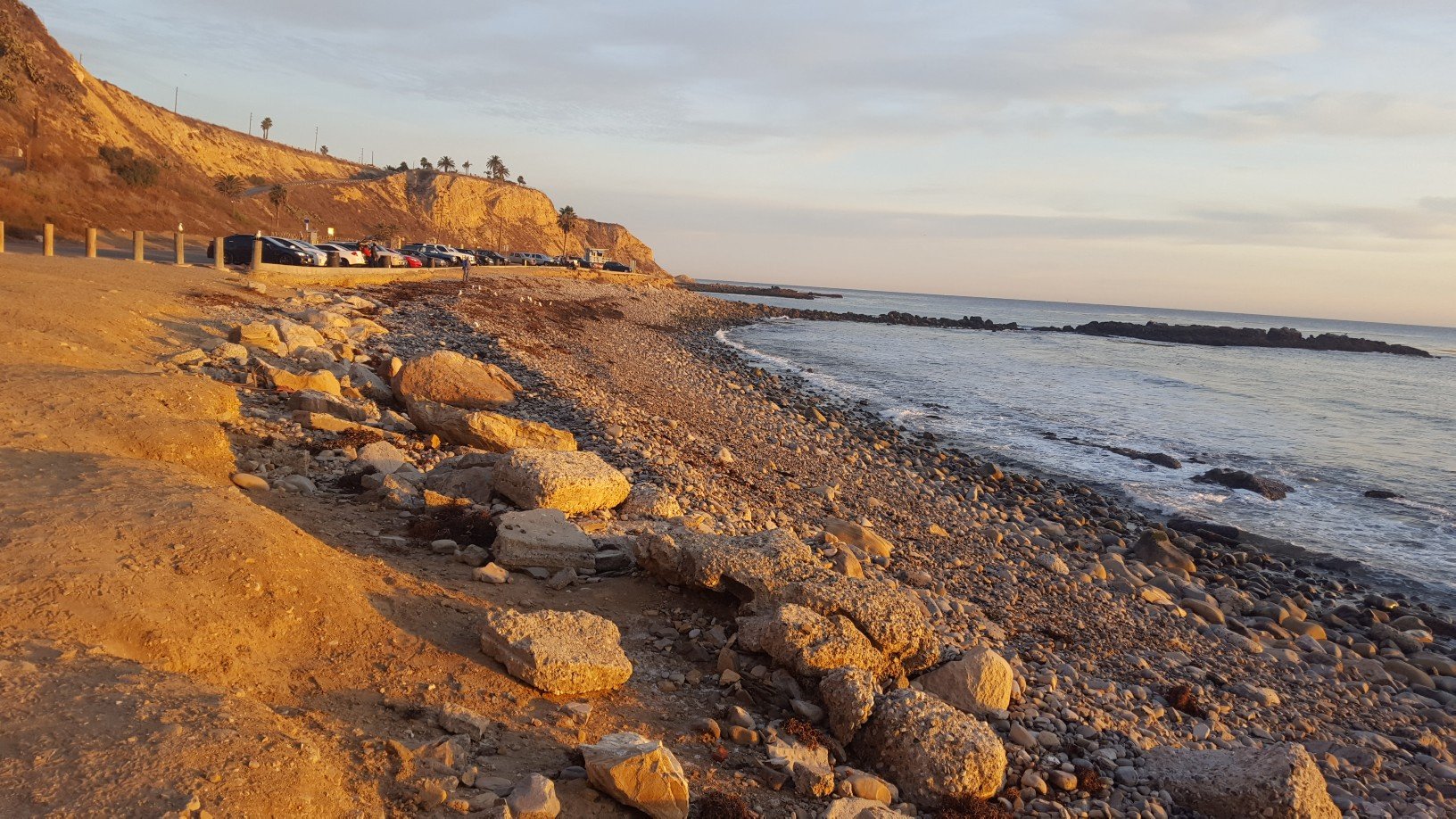
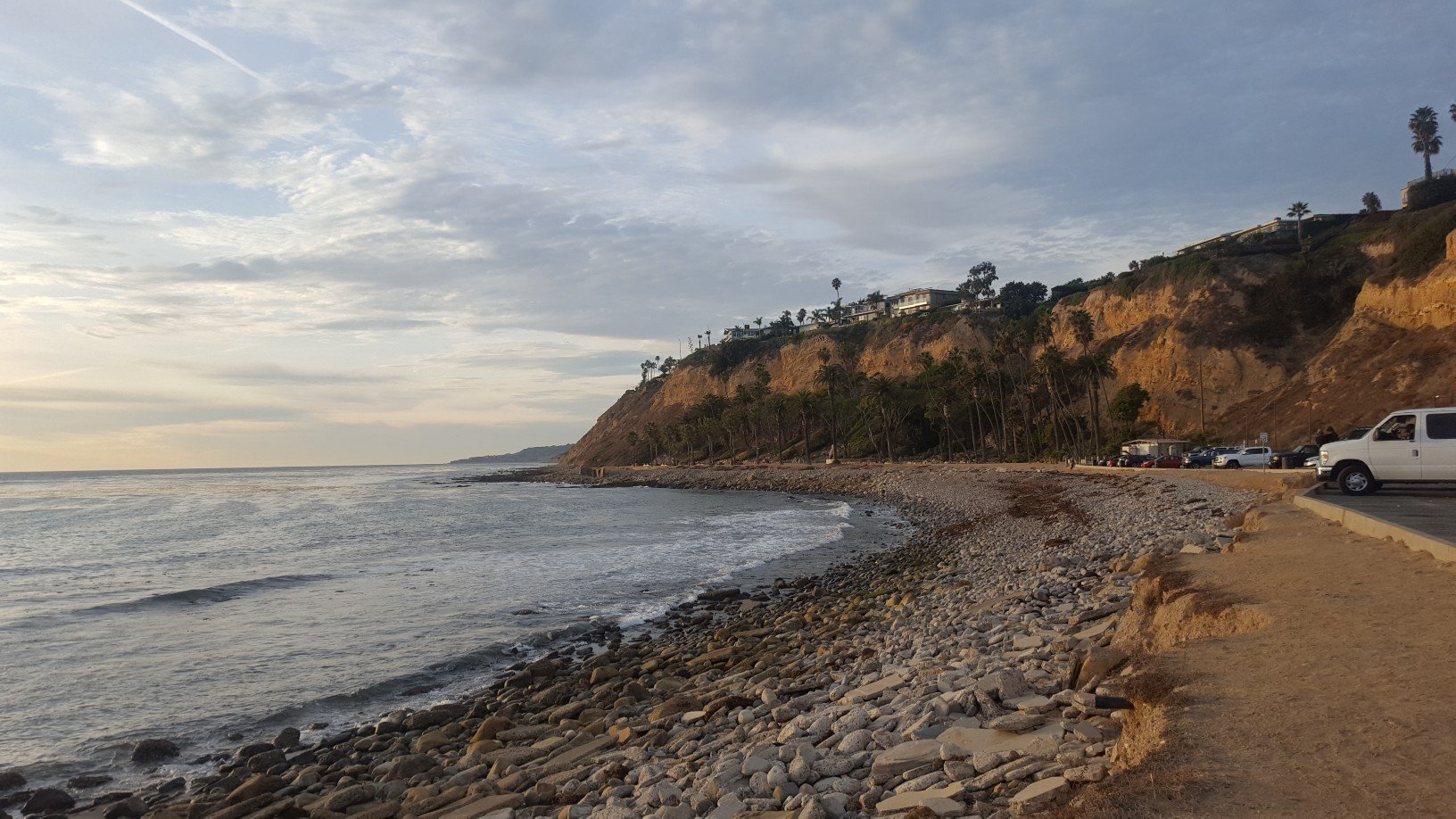
Looking closely at the stony land at the edge of the sea below the the unstable cliffs, it becomes clear that the stone is not a natural formation. The cement where broken in jagged edges and worn away with time exposes the aggregate among the cement, a clear sign this stone is actually the ruins of relatively modern concrete constuction.
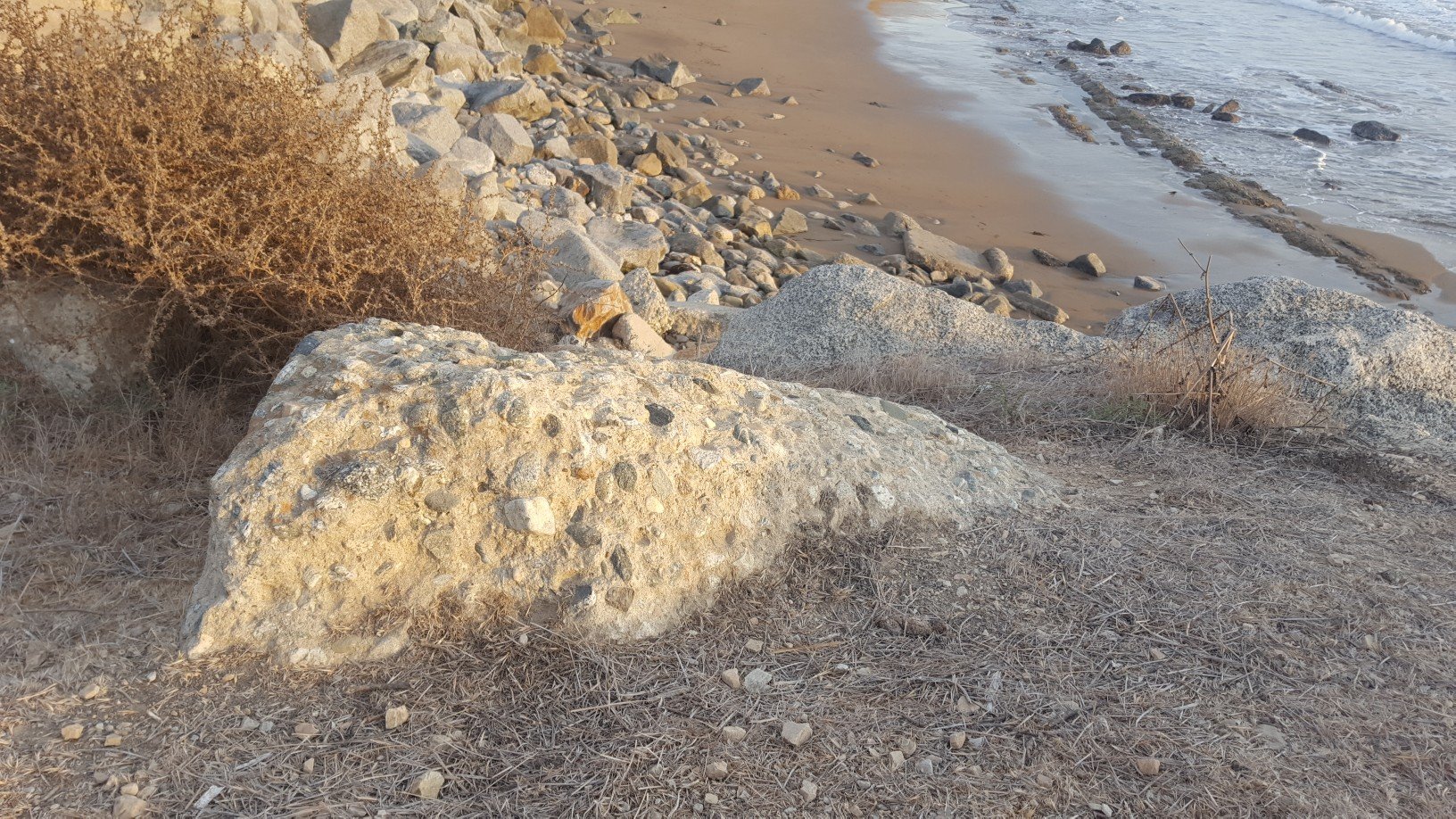
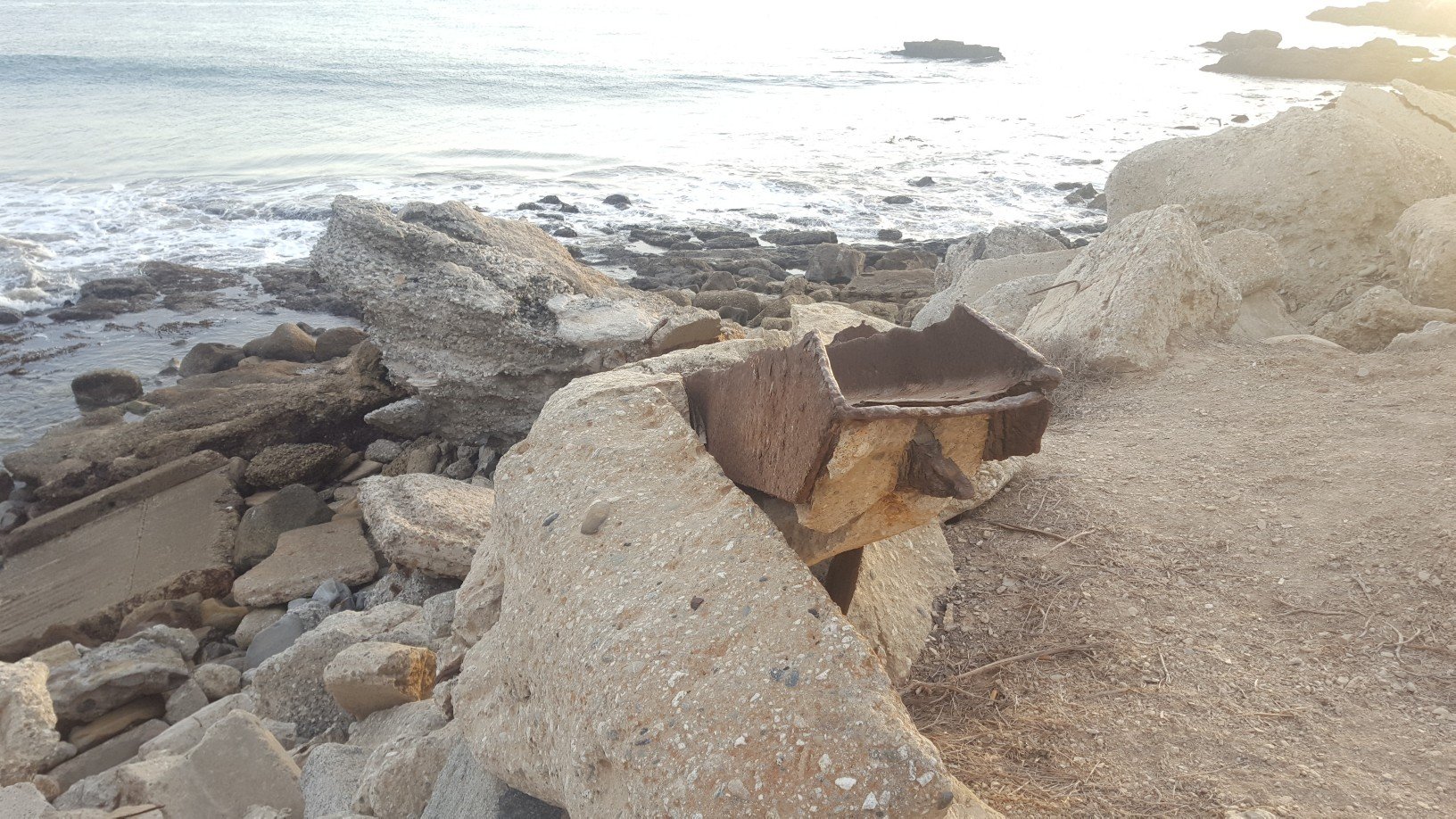
Whispering you can see the mangled heavy where are outside of the structural steel construction mixed together embedded in concrete. Together these heavy materials laced ruin upon the beach in liver ruins of construction from almost 100 years ago.
At the time of the seaside collapse, in the late 1920’s this site was the location of hundreds of homes, most of which were relocated and a few which actually collapsed with the eroding Cliffside. From a structural engineering prospective, it’s clear today that many mistakes from need the time in the nineteen twenties. There is no record of proper geotechnical subgrade survey or survey report. A massive area of bentonite clay which is common in the decomposition of volcanic ash, was later identified below the area of the structural subsidence and failure, but this apparently was not properly diagnosed or recognized at the time of construction. Also, end result of this massive engineering failure, it was the leader identified that the construction was missing proper structural wall stabilisation at the cliff side.
In construction beyond a bearing point which exceeds the law of repose degree particular to the class of subgrade soils, we use retaining and hold back system such as sheeting and shoring, deadmans, pilings, or even a cantilevered base.


Comments